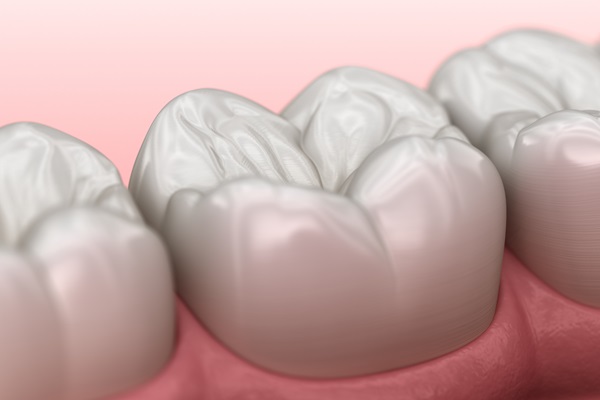
When treating a cavity, your dentist needs to remove the decaying portion of the tooth and then “fill” it with a dental filling. The material is beneficial for repairing broken, decayed, and worn down teeth. Tooth decay only gets worse, which makes it extremely important to treat it as soon as possible.
Using dental filling to address tooth decay
Most people do not even notice when tooth decay has already begun in their teeth. Upon eating something, bacterial plaque forms on the teeth, converting sugars in food into edits acids. These acids break down the structures of teeth, causing decay.
As the hard enamel breaks, the decay starts to penetrate into the inner layers of teeth. Eventually, a cavity is formed on the tooth. At first, tooth decay does not cause any symptoms. However, as soon as it reaches the dentin layer, it starts to cause pain since dentin comprises tiny, sensitive nerve endings. This can make chewing and biting painful. Cavities also make it easier for food particles to get stuck on teeth.
Types of dental filling used to treat decay
There are various dental filling materials available out there. These include:
1. Silver amalgam
This dental filling material consists of mercury, tin, silver, copper, and zinc. It is durable and can also withstand chewing forces. It is also more affordable than some other materials used as a dental filling, like glass ionomer.
However, the color of the silver fillings might not match the natural color of the patient’s teeth. Silver amalgam fillings are also more likely to crack as teeth expand. It is also prone to cracks and fractures, especially in the presence of hot and cold liquids.
2. Composite resin fillings
This involves filling cavities with tooth-colored plastic and glass mixtures. It can be micro-mechanically bonded to the tooth structure, which ensures extra support. Plus, it is quite versatile, as it can be used to repair worn, broken, and chipped teeth as well. However, it is not very durable. It takes about 45 minutes to fill up a cavity with composite fillings.
3. Glass ionomer
These consist of glass particles. They are usually perfect for young children and cavities under the gum line. They also release fluoride, which protects the tooth from any further decay.
However, glass ionomers also have certain disadvantages. They are subject to wear and tear, especially fracture. They are also weaker than composite resin and generally last for around five years.
Stop cavities in their tracks with a dental filling
The American Dental Association recommends visiting a dentist at least twice a year to get your teeth checked. It allows the dentist to detect cavities in their early stages before they cause severe structural damage to your teeth. Untreated cavities will eventually lead to the total loss of a tooth or infection when left untreated. When was your last dental check-up? Call or visit our Santa Ana clinic to set up an appointment with our dentist.
Request an appointment here: https://crispinchangdds.com or call Santa Ana Dentistry at (714) 782-0357 for an appointment in our Santa Ana office.
Check out what others are saying about our dental services on Yelp: Dental Filling in Santa Ana, CA.
Recent Posts
Monitoring dental fillings remains vital to maintaining a healthy smile, as these repairs eventually wear down over the years of daily chewing. While a filling protects the tooth for a long time, it is not a permanent fix and often needs to be replaced to prevent further decay. Spotting the early warning signs of a…
A dental filling is one of the most common ways to restore teeth that are in bad shape. They have been used for many years for patients of all ages. Because there are many different types of dental restorations, it can be difficult to know in what situation each is used. Keep reading to learn…
Composite dental fillings are one of the popular ways to deal with tooth decay nowadays. These restorations do not last forever, but they can last up to 10 years with good oral hygiene. Composites can be color-matched with your teeth so that any repairs made with them blend in with the rest of your teeth.…
Dental fillings are common restorations used to repair teeth that have decayed, chipped, or cracked. They have long been the standard for dental restorations as the procedure is simple, relatively painless, and effective. Over the years, there has been an evolution as far as what materials dental fillings can be made of. Keep reading to…