Ask a Restorative Dentist: Why Do I Need a Crown After a Root Canal?
A root canal can save a severely damaged tooth. However, a sizable portion of the tooth will likely be gone afterward. The good news is that a restorative dentist can rebuild the treated tooth with a dental crown. While not always a requirement after root canal therapy, these restorations are often the final step in restoring oral health and comfort.
What happens during root canal treatment?
During root canal therapy, the restorative dentist removes inflamed and infected tissue from deep inside the tooth. While the treatment eliminates pain and stops the spread of infection, the tooth may be much smaller and weaker afterward. Unfortunately, a weakened tooth faces a high risk of cracking or breaking when eating. After all, normal biting forces place significant pressure on the teeth.
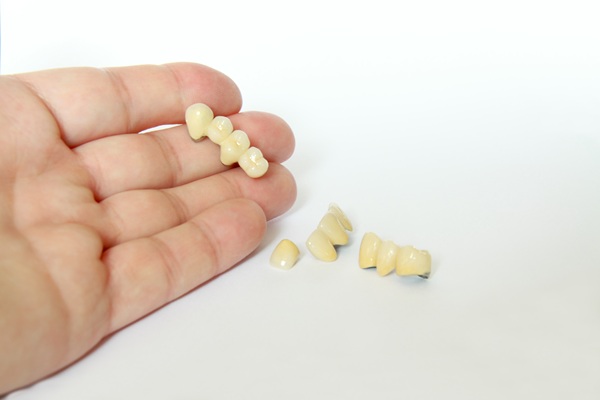
To avoid these issues, the dentist will assess the strength of the remaining tooth structure after a root canal to determine whether a dental crown could help. These silver, gold, or tooth-colored restorations completely encase the tooth, restoring it to a healthy size and shape.
Why get a dental crown after a root canal?
Here are the most common reasons why a restorative dentist would recommend covering a root canal-treated tooth with a crown:
Restoring function and appearance
Root canals are often performed on teeth that play a critical role in daily life, such as molars and premolars. These posterior teeth bear the brunt of grinding and chewing forces. A crown restores the original shape and size of these teeth, allowing patients to chew normally without discomfort. And if appearance is a concern, patients can choose a tooth-colored crown that blends in with nearby teeth.
Preventing bacterial reinfection
Protecting the structural integrity of the tooth is only one function of a dental crown. A crown also acts as a barrier against oral bacteria. Although the restorative dentist seals the root canals with a rubber-like material (gutta-percha) during the initial procedure, micro-leakage can still occur over time. If bacteria reach the deeper root chambers, a secondary infection may develop.
A permanent crown fits tightly over the tooth at the gumline, creating a durable seal. This seal prevents food particles and bacteria from entering the treated areas. The dentist will take care to ensure that the margins of the crown fit closely against the natural tooth structure to minimize the risk of recurrent decay. Maintaining healthy gums around the restoration further supports this protective barrier.
How long does it take to get a dental crown?
The process of receiving a dental crown typically requires two appointments. During the first appointment, the restorative dentist prepares the tooth to create space for the restoration. Then, they take impressions or scans, which a dental lab uses to fabricate a custom crown. During the fabrication period, which usually lasts 10 to 14 days, the patient wears a temporary crown to protect the tooth.
At the second appointment, the restorative dentist replaces the temporary crown with the permanent, custom-made one. Patients can go about their day as usual after leaving the dental office. However, the tooth may feel a bit sore or sensitive as it adjusts to the new crown.
Schedule an appointment with a restorative dentist
A dental crown provides essential protection and support for a tooth after root canal therapy. To learn more about how to rebuild root canal-treated teeth, speak with a restorative dentist. Contact Santa Ana Dentistry today.
Request an appointment here: https://crispinchangdds.com or call Santa Ana Dentistry at (714) 782-0357 for an appointment in our Santa Ana office.
Check out what others are saying about our dental services on Yelp: Restorative Dentist in Santa Ana, CA.
Recent Posts
Need a restorative dentist? Do you have an awkward smile? Have you been told by friends and family that your teeth need some attention? If so, don't worry! Many dentists can help. One option is to see a dentist who offers restorative treaetments. This type of dentistry will provide the best options for restoring your…
If you have dental issues that have made you less confident in your smile, you should consider consulting with a restorative dentist. The dentist will evaluate your smile and let you know how to restore the look of your teeth and, ultimately, your confidence in your smile. Continue reading to find out what restorative dental…
Looking into your restorative dentistry options? Teeth grinding (also known as bruxism) is common, affecting many people worldwide. This condition can lead to issues such as chipped teeth, cracked teeth, chronic headaches, TMJ disorder, and trouble sleeping. When tooth damage occurs as a result of teeth grinding, restorative dentistry is necessary to repair the areas…
The term dental restoration refers to a number of procedures used to repair or restore function and aesthetics to teeth that are in bad shape, whether it be due to cavities, imperfections, or abnormalities. Modern-day dentistry has allowed for the evolution of many different types of dental restorations, including dental fillings, which are typically the…